
5 Signs Your Tires Need to Be Replaced Right Now
Your tires are the only thing standing between you and the road. When they fail, they fail fast, and the consequences aren't minor. Most drivers don't notice the warning signs until it's too late. But those signs are there, and they're easier to spot than you'd think. Here's what you need to know before your next drive.
Your Tires Have Lost Their Tread Depth
Tread depth is one of the clearest signs that it’s time to replace your tires, and it directly affects how safely your vehicle handles the road. While the legal limit in many places is 2/32 inch, most professionals recommend replacing tires earlier, at around 4/32 inch, to maintain better traction, especially in wet conditions where stopping distance and control matter most.
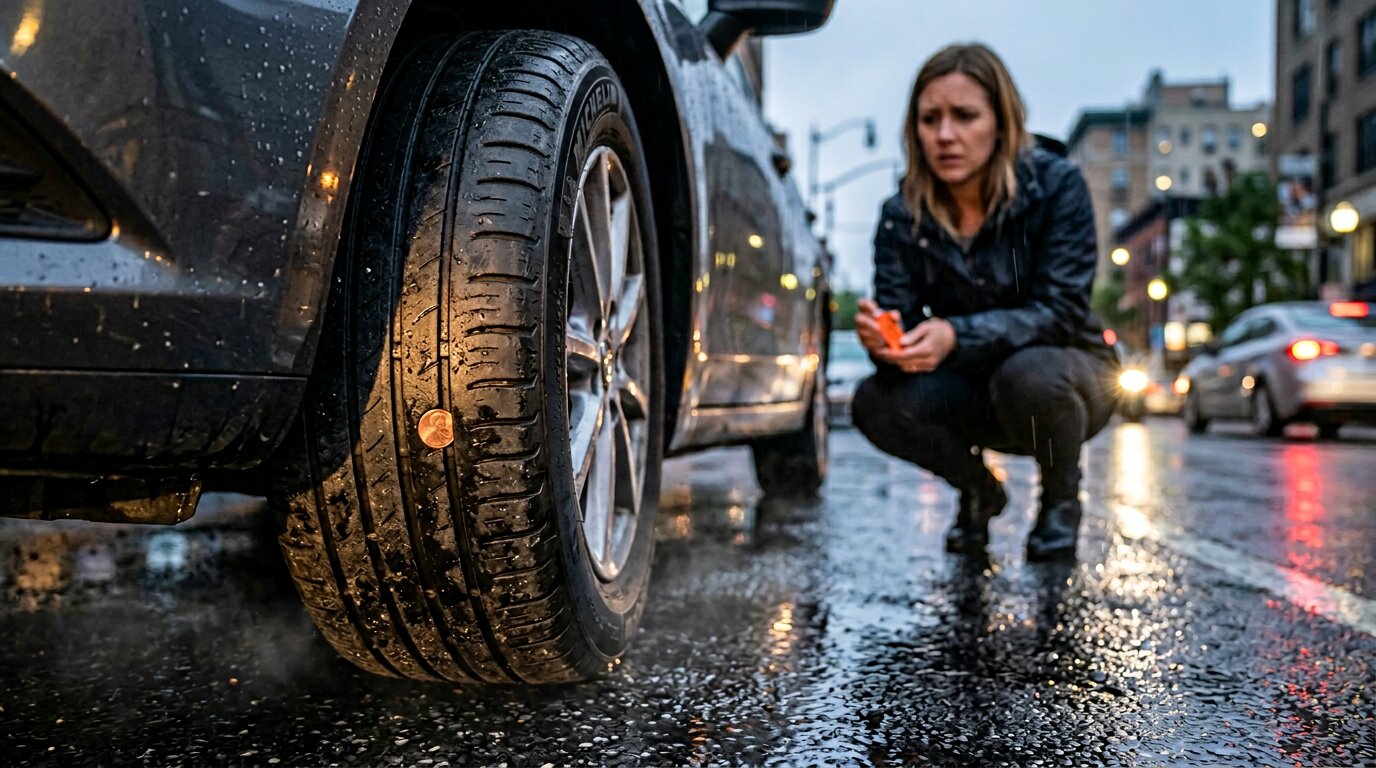
A quick way to check at home is the penny test. Place a penny into the tread with Lincoln’s head facing downward. If the top of his head is visible, your tread is already too low, and the tire should be replaced. It’s a simple check, but one that can prevent bigger risks on the road.
Still, measurements alone don’t always tell the full story. Uneven wear can develop across different areas of the tire, meaning one section may be dangerously worn while others appear fine. This is where working with a team that understands your local driving conditions becomes important. Professionals familiar with your area, like those at WeTryTires, can assess not just tread depth, but how climate, road quality, and daily driving habits affect tire performance. For example, drivers in urban areas with frequent stop-and-go traffic may experience faster, uneven wear that isn’t always obvious during a quick visual check.
If you want to find a quick way to find reliable tire support and guidance tailored to your local roads, check out their website here: https://wetrytires.com
Your Tires Have Bulges, Deep Cuts, or Sidewall Cracks
While tread depth changes gradually and can be measured over time, some tire conditions require immediate attention.
A bulge or bubble in the sidewall indicates separation of the internal cords; this tire is structurally compromised and should be removed from service right away.
Deep cuts that extend beyond the outer sidewall layer weaken the tire’s construction and aren't repairable.
Sidewall cracks large enough to insert a pen tip suggest advanced rubber degradation and warrant replacement.
Exposed steel or fabric cords indicate severe damage and a high risk of failure.
Any sidewall defect associated with rapid air loss, a tire pressure warning, or new vibration while driving should be treated as an urgent safety issue, and the tire should be replaced as soon as possible.
Your Tires Are Wearing Unevenly on One Side or Down the Center
Uneven tire wear is easy to miss, but it provides useful clues about potential issues with your vehicle. Wear concentrated on one edge of the tire often indicates improper wheel alignment or worn suspension components.
Wear focused along the center of the tread typically suggests the tire has been consistently overinflated. Irregular patterns such as feathering, cupping, or scalloping are commonly associated with alignment problems, wheel imbalance, or suspension faults and should be evaluated by a professional as soon as possible.
To assess tire condition, measure tread depth at several points across the width and around the circumference of each tire. Differences greater than a few 32nds of an inch indicate uneven wear that warrants further inspection.
If any area of the tread is at 2/32" or the built-in wear bars are flush with the tread surface, the tire is considered legally worn out in many regions and should be replaced to maintain safe driving conditions.
Your Tires Can't Grip the Road Regardless of Conditions
Poor grip is a critical indication that your tires may require maintenance or replacement. If your vehicle feels unstable or prone to slipping during normal, dry driving conditions, the tire tread compound may be unsuitable for your typical driving environment, or the tires may be excessively worn. In some cases, this can be linked to tread depth falling below approximately 4/32", a level at which wet traction and resistance to hydroplaning are significantly reduced.
Tire performance also depends on matching the tire type to the climate. For example, using summer tires in cold or winter conditions can reduce grip because the rubber compound hardens at low temperatures. Even new tires can perform poorly if they aren't designed for the temperature range or road conditions in which they're used.
Consistently poor traction in various conditions should be treated as a safety concern. Drivers should inspect tread depth, verify that the tire type matches the local climate and driving needs, and consult a professional if grip issues persist.
Your Tires Are Old Enough to Fail Without Warning
Grip issues often result from worn tread or using a tire unsuited to current conditions, but age-related degradation can also be a significant factor even when a tire appears intact.
Rubber compounds degrade internally over time due to heat, UV exposure, and other environmental conditions, so age alone can justify replacement.
You can determine a tire’s production date by checking the DOT code on the sidewall. The final four digits indicate the week and year of manufacture (WWYY).
Many safety experts recommend replacing tires that are 10 years old or more, regardless of external appearance. For tires between 5 and 10 years old, regular inspection by a qualified professional is advisable.
In addition to age, visible signs of deterioration should be monitored. Dry-rot or weather cracking in the grooves between tread blocks or on the sidewalls can indicate compromised structural integrity.
As a practical guideline, if a crack is wide or deep enough for a pen tip to enter, the tire may be unsafe and should be evaluated or replaced.
Conclusion
Don't wait until your tires fail to take action. If you've spotted worn tread, bulges, cracks, uneven wear, poor grip, or aging rubber, you're already dealing with a safety risk. Replace your tires now before a blowout or loss of control puts you in danger. Your tires are the only thing connecting your vehicle to the road, so you can't afford to gamble with compromised ones.
- The latest member of the VW I.D. family: the I.D. R Pikes Peak
- Bentley introduces biometric security stowage in Bentayga
© 2017-2018 New Mobility. All rights reserved. | Privacy Policy